Anti-Wind Cycling Headphones: The Complete Buying Guide
Ask any cyclist why they don't wear earbuds on the road and the answer is usually the same: wind noise. At 25 km/h, wind rushing over a standard microphone turns every phone call into static, and at 40 km/h the audio itself gets buried. Anti-wind cycling headphones solve this with dedicated acoustic design — and the demand for them is growing fast among commuters, e-bike riders, and endurance athletes.
This guide explains how anti-wind technology actually works and what to evaluate when sourcing OEM cycling headphones for your brand.
Why standard earbuds fail on a bike
Three problems ruin the standard earbud experience on a bicycle:
- Microphone wind turbulence — air hitting the mic capsule creates low-frequency rumble that dominates phone calls and voice assistants
- Poor aerodynamic shape — bulky housings catch wind and amplify drag noise
- Ear fatigue — in-ear designs block ambient traffic sound, which most cyclists consider unsafe
How anti-wind technology works
Serious anti-wind headphones combine several techniques:
- Wind-shielded microphone ports — acoustic mesh or foam over the mic inlet slows turbulent air before it hits the capsule
- Low-cut voice filtering (DSP) — the processor removes the sub-bass frequencies where wind noise lives while preserving speech
- Aerodynamic housing — smooth, low-profile shapes reduce wind attachment and noise generation
- Open-ear or ambient-aware design — letting traffic sound through while keeping calls clear
Our D87 anti-wind cycling earphone applies all four: a wind-protected mic system, DSP voice enhancement, a streamlined housing, and a design that keeps the rider aware of traffic. It is the product most frequently requested by cycling brands looking for a cycling headphones manufacturer partner.
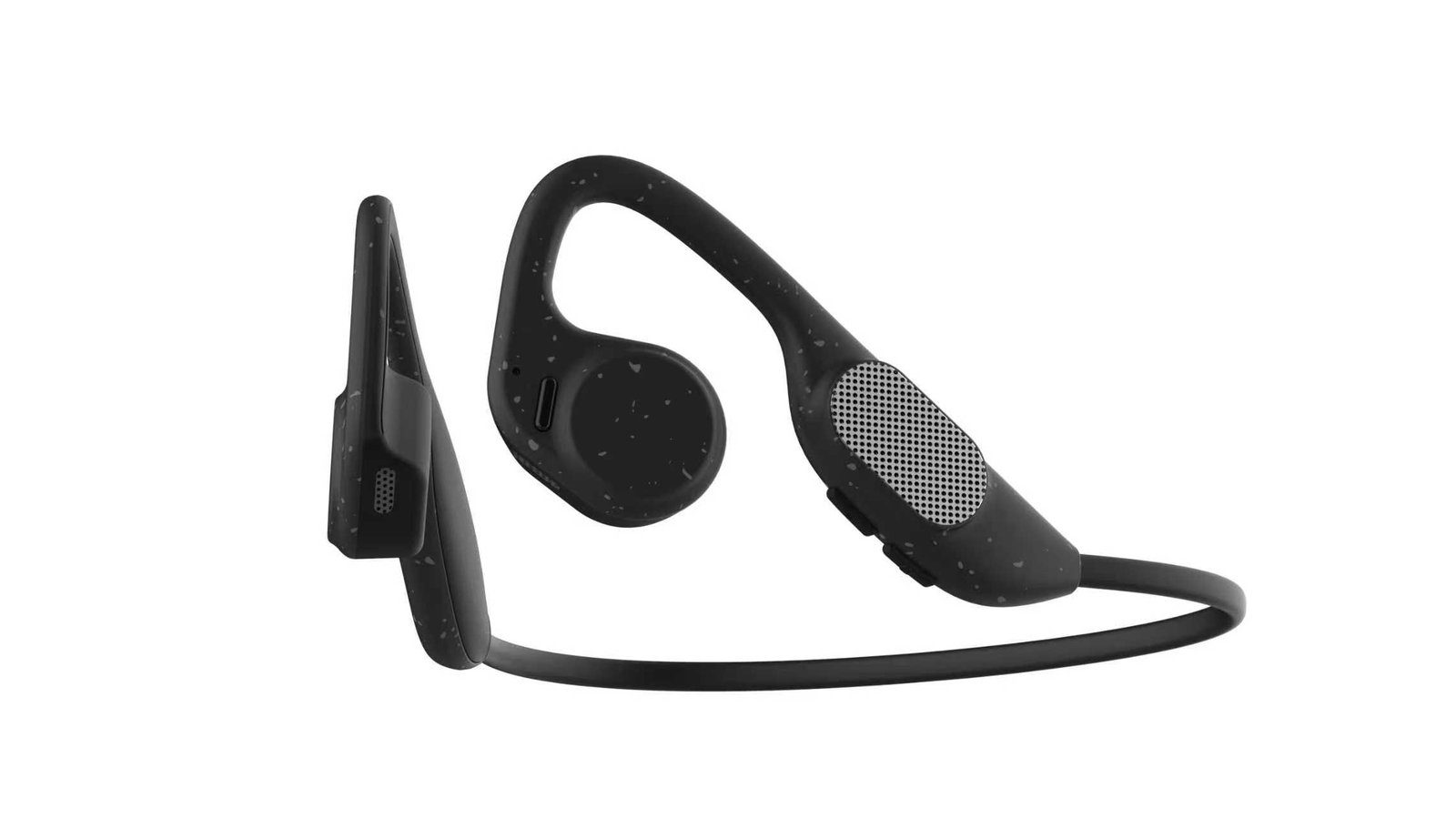
Ask this: "Can I test the call quality at 30 km/h?" A real anti-wind product should survive this test. Any factory that only tests indoors is not selling anti-wind headphones.
What to check when sourcing OEM cycling headphones
- Wind noise test data — ask for recorded call samples at 20 / 30 / 40 km/h
- IP rating — cycling gear meets rain and sweat; IPX5 or higher is the right target
- Battery life — a 6–8 hour real-world runtime covers commuting and long rides
- Mounting and controls — physical buttons beat touch controls when riding with gloves
- Ambient awareness — transparency mode or open-ear design for safety
Market opportunity for brands
E-bike adoption in the US and Europe is driving accessory demand. Cycling-specific audio remains a niche with little brand competition compared to general earbuds — which means early entrants with a genuine anti-wind product can own the category. OEM cycling earbuds from a dedicated audio manufacturer let you enter with existing engineering rather than years of R&D.
If your brand targets cyclists, commuters, or outdoor sports, review the D87 specification and contact us about private-label or custom development. We supply anti-wind cycling headphones as C&Y branded product from 500 units, or with your branding and packaging from 3,000 units — every project is quoted individually.
Building a cycling audio product?
Get wind-noise test samples and OEM pricing from C&Y Audio within 24 hours.
Request a Quote Chat on WhatsApp